
Parables
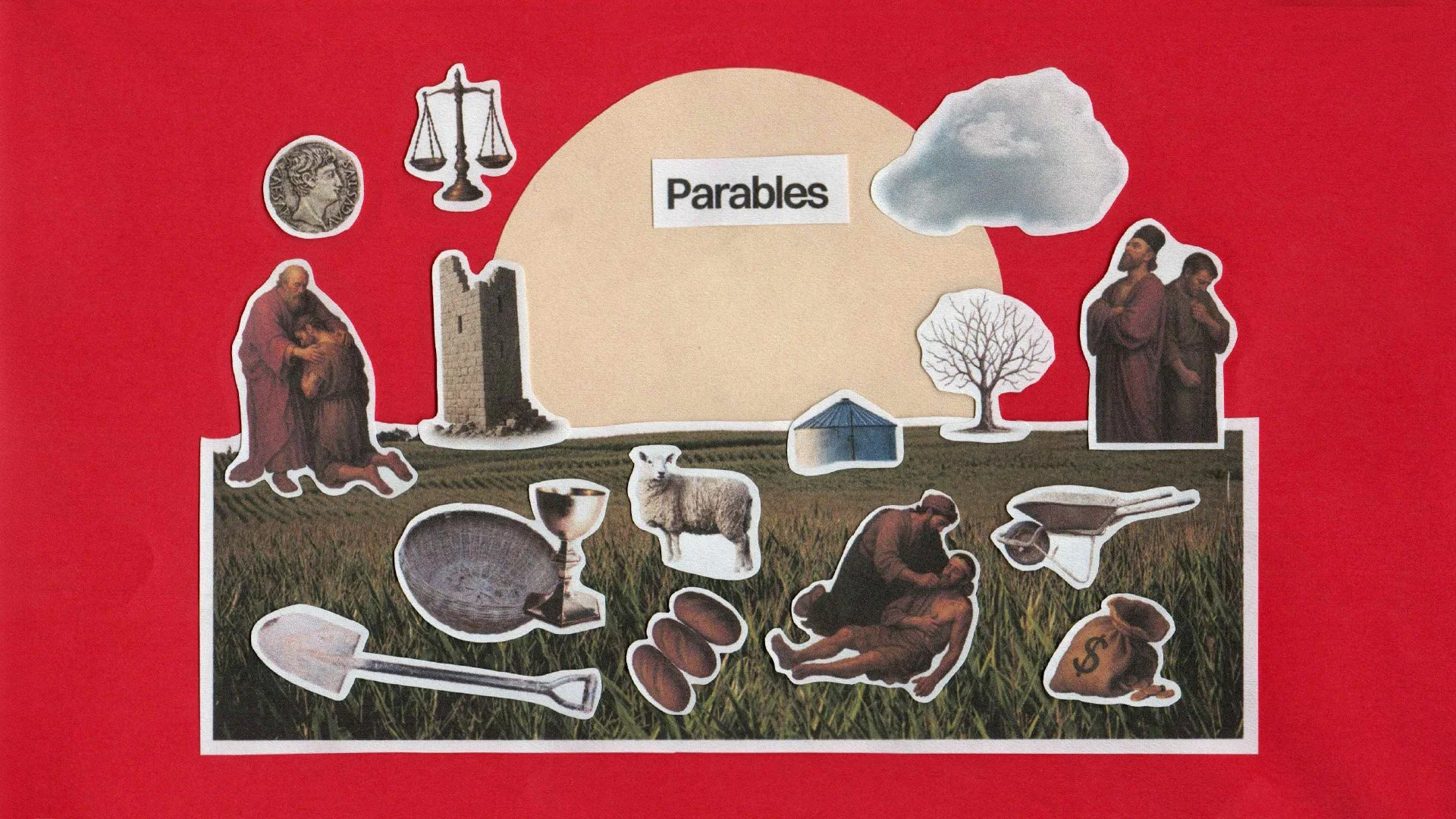
Anyone who has been around a church for more than 15 minutes likely knows that “Jesus often taught in parables.” But beyond that, the meaning and methodology of parable-teaching is likely obscure. Some direction in this matter would be helpful. Redemption Arcadia will take the 15 Sundays, from August 17 through November 23 of 2025, to expand our understanding of Jesus’ teaching in parables.
Here are a few, brief items to help introduce us to this 15-week series that will build the foundation we hope to construct:
First, what exactly is a “parable”? A parable is a rhetorical, teaching device that uses a straightforward earthly or worldly story or situation to explain and illustrate a Spiritual truth (notice the capital “S” on “Spiritual”).
So then, why did Jesus use parables to teach? Often, Spiritual truths – truths God wants people to understand – are not necessarily complicated or complex, but rather we have simply never thought about these things in God’s way or from His perspective. So we need some help. Parables often bring Spiritual truths into the light by using language and situations with which we are familiar. (In some respects, parables are similar to today’s sermon illustrations – when a pastor tells an earthly story in order to illustrate, highlight, or explain a biblical text or Godly truth.)
Also, in Jesus’ context, parables were effective in demonstrating the shallowness and misguidedness of the Professional Religious People (PeRPs) of His day, men such as the Pharisees, Scribes, and Sadducees.
Although parables are not the only rhetorical tool in Jesus’ teaching toolbox, He did tell between 35 and 48 different parables – depending on how one might count or classify a parable. There are also a few parables in the Old Testament; Jesus is not the only one who has rhetorical skills … but we admit: He was the best.
So now, you might be wondering, how will Redemption Arcadia use these 15 Sundays to illuminate the parables? Good question. There are many parables that are told in more than one of the four Gospels (Matthew, Mark, Luke, and John). There are between 15 and 18 parables, however, that are unique to only Luke’s Gospel … and … they are some of the most well-known parables. We will be reading and talking about 14 of these parables (one of the parables gets two Sundays!) during this series.
Some final thoughts – more like questions, really:
Did you know that the Parable of the Prodigal Son is more about the older brother than the Prodigal? Hmmmmmm.
Does Jesus really condone a dishonest manager’s deceitful behavior?
Why don’t we ever get the name of the Rich Man who seemed to ignore Lazarus and wound up for eternity in Hades? And what is “Hades.” And why couldn’t the Rich Man get a message out of Hades to his family?
Lastly, why this series now? The parables will, in beautiful style, demonstrate for us God’s sovereignty, our need for salvation, and the divine wisdom we have access to once we become truly committed followers of Jesus. Those are all important issues in an increasingly complicated world. We hope and pray you will joyfully join us this Fall at Redemption Church Arcadia.