
elders
1 Peter 5:1-11; Acts 20:28; John 21:15-17
An Elder is an essential office for the church. It is clearly prescribed in Scripture (1 Timothy 3:1-7, Titus 1:6-9) as God’s plan for shared leadership. The Lead Pastor does not function as CEO of the organization, rather is considered “first among equals” on the team of Elders and is specifically commissioned to preach, teach, and foster clear direction to the Elders and church.
Ultimately, Jesus himself gives the ultimate example of this kind of leadership and He is who we look to for the embodiment of Eldership. Through dependence on the Word of God and submission to the will of Christ in prayer, Elders can support the overall vision of the church, and the mission of our governance team, which is listed below.
Our Governance Team Mission: To joyfully and eagerly exercise Biblical oversight in the service to this flock of Christ, being an example to all until Jesus comes again.
-
Jesus is the Chief Shepherd (John 10:11-16), under whom Redemption Arcadia practices a shared leadership model of church government that consists of the biblical offices of elder and deacon, and a staff that equips the members for the work of ministry.
Elders are charged primarily with the theological, spiritual, and moral leadership of the church, focusing especially on the faithful teaching of Scripture. Deacons are charged with the practical leadership of the church under the oversight of the elders. Deacons free the elders to give full attention to shepherding the flock, especially with respect to “prayer and the ministry of the word” (Acts 6:4). In other words, elders serve by leading, and deacons lead by serving.
This is an attempt at a brief articulation of how the two Biblical offices play out at Redemption Arcadia. It is written not to supplant or supersede our Membership Covenant or theological positions, but to support and further clarify our local expression of those important offices.
-
The term elder comes from the Greek word presbyteros which appears over 60 times in the New Testament alone and essentially refers to a spiritually mature leader who provides oversight and shepherding for the church body. One pastor described his Elders as “ferocious men of faith,” and that’s certainly needed too in this role! They must guard sound doctrine, protect the flock, confront sin, provide counsel, and be an example of the Christian life worth following. A high calling that requires dependency on Christ.
-
Jesus is the Senior Leader of the church. He builds and sustains it. It’s his church.
Having godly, courageous, skilled, and unified leadership is essential to the health of the church.
Elders are the male leaders of the church who are synonymously called pastors, bishops, and overseers throughout the New Testament. While the various words are used interchangeably, they each refer to a differing aspect of the same role in the same office. Therefore, the elder team will consist of both paid and unpaid elders.
Elder is an office, not an identity. The elders are those officially serving on the team.
A person does not need to be an elder in order to have influence or leadership in the church. There will be some excellent leaders in the church who do not hold the office of elder.
Eldership should be a great joy and a life-giving experience. It need not be destructive to a man’s spiritual vitality, family, ministry, or quality of life.
As the church grows in size and complexity (additional staff, ministries, campuses, etc), the structure and function of the elder team will need to experience change and reorganization. For example, the addition of additional paid elders will likely make it increasingly difficult to keep unpaid elders “in the loop,” and may require a change of roles and expectations.
The leadership structure of the church must remain flexible enough to get the right people to the table for any given decision.
-
Elders must consistently demonstrate the qualities described in 1 Timothy 3:2-7 and Titus 1:6-9.
For a more detailed explanation of these qualities, see Gene Getz, Elders and Leaders. Note regarding some of the more controversial qualities: (1) We take “able to teach” to mean an effective Bible communicator in a group setting. This does not mean “able to wow an auditorium full of people,” but it does mean “able to communicate in a practical, accurate, clear, and engaging way with at least a small group of people.” (2) We take “husband of one wife” to mean a one-woman man. Men who have experienced divorce must be considered on a case-by-case basis. (3) We take “submissive children” and “children who believe (faithful)” to mean that the man has been successful in raising obedient, honorable children. The specific outworking of this in any man’s life will be considered on a case-by-case basis.
In addition to godly character, elders must demonstrate competency (the skills involved in leading ministry) and commitment, as well as share a high level of chemistry with the existing elders. This does not mean that the elders will all have the same personalities, temperaments, or gifts, but it does mean that they will have the ability to joyfully work together as committed ministry partners.
Elders need to have attended Redemption Arcadia for at least one year with a consistent track record of servanthood, ministry fruitfulness, and faithful giving to the church.
-
1. Be on Watch for Trouble (Acts 20:29-31; Hebrews 13:17)
Individually be grounded in the Scripture and connected to the Spirit so that we know what trouble looks like
Exercise church discipline on unrepentant Christians
Evaluate our mistakes and, if necessary, take steps to correct them
2. Oversee the Church (1 Peter 5:2; 1 Timothy 5:17)
Guard the church’s Doctrine, Mission, Vision, and Values
Maintain responsibility for financial integrity of church through review and approval of top-level budget expenditures
Engage in the long range planning for facilities
Approve and send church planters
3. Tend to the Needs of the Flock (Acts 20:28)
Regularly attend worship gatherings and be involved in the mainstream flow of church life
Lead, teach, and minister in your sphere of influence
Develop additional leaders in the church
Pray regularly for the church
Pray for the sick (sometimes anointing with oil) as requested
4. Live the Normal Christian Life (Acts 20:28; 1 Peter 5:3)
We do not ask others to go where we have not been
Model through our:
Devotional disciplines to God
Family life
Vocational life
Church life
Financial stewardship
-
Pray regularly for the congregation and staff. Like priests who go before God on behalf of the people, one of their primary ways to serve the church is through intercession.
Keep yourselves from any abiding sin at all costs, practice regular and radical repentance. God cares about the purity of the church, especially her leaders.
Keep a finger on the pulse of the congregation. Like shepherds who smell like sheep, they should know people, love people, and have a sense of what is happening in the lives of people and in the city.
Provide wise counsel to Lead Pastor and senior staff. Like godly sages, they are able to offer perspective that is easy to miss in the day-to-day of ministry.
Be a crisis team in waiting. Provide the church the security of knowing that if a genuine crisis hits, we’re ready. Like firefighters playing cards in the firehouse, they are prepared, connected, and ready if the bell should ring — and some days, bored enough almost to wish it would ring.
Approve the big-picture budget. Like a board of directors for a company that is responsible for the overall budget and financial wellbeing but trusts a hired team of managers to steward allocated resources wisely, the elders set the parameters and give freedom to the staff to use resources in ways that are good and responsible.
Carry out church discipline in harmony with pastoral staff. Like parents, they step in and discipline wayward members as needed — with the intention to restore them into fellowship with Jesus and the church.
Entrust ministry design and day-to-day leadership to Lead Pastor and staff. Like the owner of a sports franchise, they set the tone and empower the GM and coaches to succeed.
Hold the keys of accountability. Should something go amiss with the Lead Pastor or staff, the elders can step in. Like brakes, they can immediately stop something that shouldn’t be happening (though brakes shouldn’t be ridden constantly).
-
Mutual submission. The Lead Pastor functions as the “first among equals,” and the entire elder team submits to one another on the basis of strengths, passions and giftedness.
Unity is a High Priority. Unity must include theological agreement about what doctrines we will and will not fight over, relational warmth and sincere friendships (they like being together), philosophical agreement regarding what ministry methods will and will not be used, and a missional partnership that agrees to stay on task to fulfill God’s mission for Redemption Arcadia.
Big-Picture Leadership. It’s not the individual elders who hold authority in the church but the team as a whole. No individual board member may operate otherwise, regardless of their roles within specific ministry teams. The elder team should focus on the big-picture mission, doctrine, ministry principles, and vision of the church rather than the details of implementation. Outside of elder team decisions, individual elders must honor, submit to, and work through the appropriate chain of command and leadership in any given ministry area.
Choose to Trust. The elder team will choose to trust each other, rather than suspect each other. We will develop a culture of trust, built on these six commitments:
1) I will believe the best about my fellow elders (including other network congregations)
2) When other people assume the worst about you, I will come to your defense.
3) If what I experience begins to erode my trust, I will come directly to you to talk about it.
4) When I am convinced I will not be able to deliver on a promise, I will come to you ahead of time.
5) When you confront me about the gaps I’ve created, I will tell you the truth.
6) I will openly share warnings or disagreements when a decision is being considered, but I will champion and defend the decision after it is made.
Candid Communication. The elder team expects open, candid communication between team members and during team meetings. The elder team requires gospel-rooted security and thick skin that enables us to share our thoughts candidly and, when necessary, fight like family. This will allow team members to share openly and offer warnings or disagreements while a decision is being considered, but then champion and defend the decision after it is made.
Relationships Nurture Trust. It is always easier to believe the best and trust men with whom you have relational warmth and sincere friendship. Elders should invest in one another relationally and cultivate the kinds of authentic friendships that we would call our people to embrace. This does not mean that elders need to be best friends, spend lots of free time together, or have each other over for dinner all the time. But it does mean that each elder is responsible to cultivate healthy relationships with the other elders. Elders’ wives too should be encouraged to invest in each other in this way.
Elder Wives and Confidentiality. Married elders should share information with their wives on a need-to-know basis, prioritizing their well-being and their ability to fully participate in the church community. It is unwise and unfair to burden an elder's wife with the weight of confidential leadership information or details about certain people or decisions. This approach allows an elder’s wife to attend any church event and genuinely relate to others without the burden of sensitive knowledge.
-
Elders gather for 2 hours once a month for a time of prayer, oversight topics, shepherding, teaching series planning, financial and staffing updates. There are “board functions” that may seem familiar to the corporate setting, but the overall focus is shepherding and prayer. They gather over a meal provided by the church and generally cover the following topics, with an agenda prepared by the Chairman and Elders:
Fellowship: Informal conversations over a meal.
Devotional & Prayer: One of the elders will share an encouragement from Scripture.
Board Minutes: Review and approval.
Leadership Updates & Reports: Various prepared updates are shared from the Lead Pastor, Executive Pastor, and key ministry leaders either in person or in writing.
Shepherding & Governance Issues: Topics vary, but can include church discipline issues, organizational needs such as annual budgets, etc.
Review
-
The Elder Process consists of six steps:
Pre-Nomination Phase — The Lead Pastor will gather a group of men twice a year for an Eldership Book Club looking at the role to investigate potential candidates and equip more elder-qualified men in the church.
Nomination Phase — The Elder Team may nominate and approach certain men whom the team thinks should prayerfully consider being an elder.
Establish an Observable Track Record — Elders will investigate the individuals known track record of serving, leading and giving at Redemption Arcadia with demonstrated leadership skills and observable fruit in ministry, marriage and family life.
Applicant Phase — Once a man has had his qualifications confirmed by the elders through unanimous vote, he may enter a phase of preparation and evaluation for the specific work of eldership. This phase involves lengthy questionnaires, intentional mentorship by the Lead Pastor, study related to the roles, responsibilities and functions of elders. The time required to complete this phase will vary by individual.
Candidate Phase — The Lead Pastor will initiate a formal interview with the candidate and his wife. The candidate may also begin joining the Elder Team meetings as a non-voting member to further gauge cultural fit and chemistry with the team.
Approval Phase — The candidate is brought before the congregation and the members of Redemption Arcadia will be invited to give feedback about his life, conduct, and character. If a member is aware of any disqualifying sin or character flaw in an elder candidate, he or she will be urged to make the matter known to the existing elders, who will investigate the claim. Members will have a 4-week window in which to bring any concerns.
Installation — Following the satisfactory completion of all requirements, new elders will be installed publicly at a Redemption Arcadia Sunday worship gathering.
* Elders serve without formal term limits but are required to renew their commitment to the office annually.
-
Since Elders serve without formal term limits, they are required to renew their commitment to the office annually.
Each January, Elders are asked to complete the following Annual Commitment form.
Redemption Arcadia Elders
-

Frank Switzer
Lead Pastor and Staff Elder
-

Tyler James
Lead Pastor Designate and Staff Elder
-

Joe Ponce
Lay Elder
-

Nick Oviedo
Lay Elder
-

Steve Wheeler
Lay Elder
-
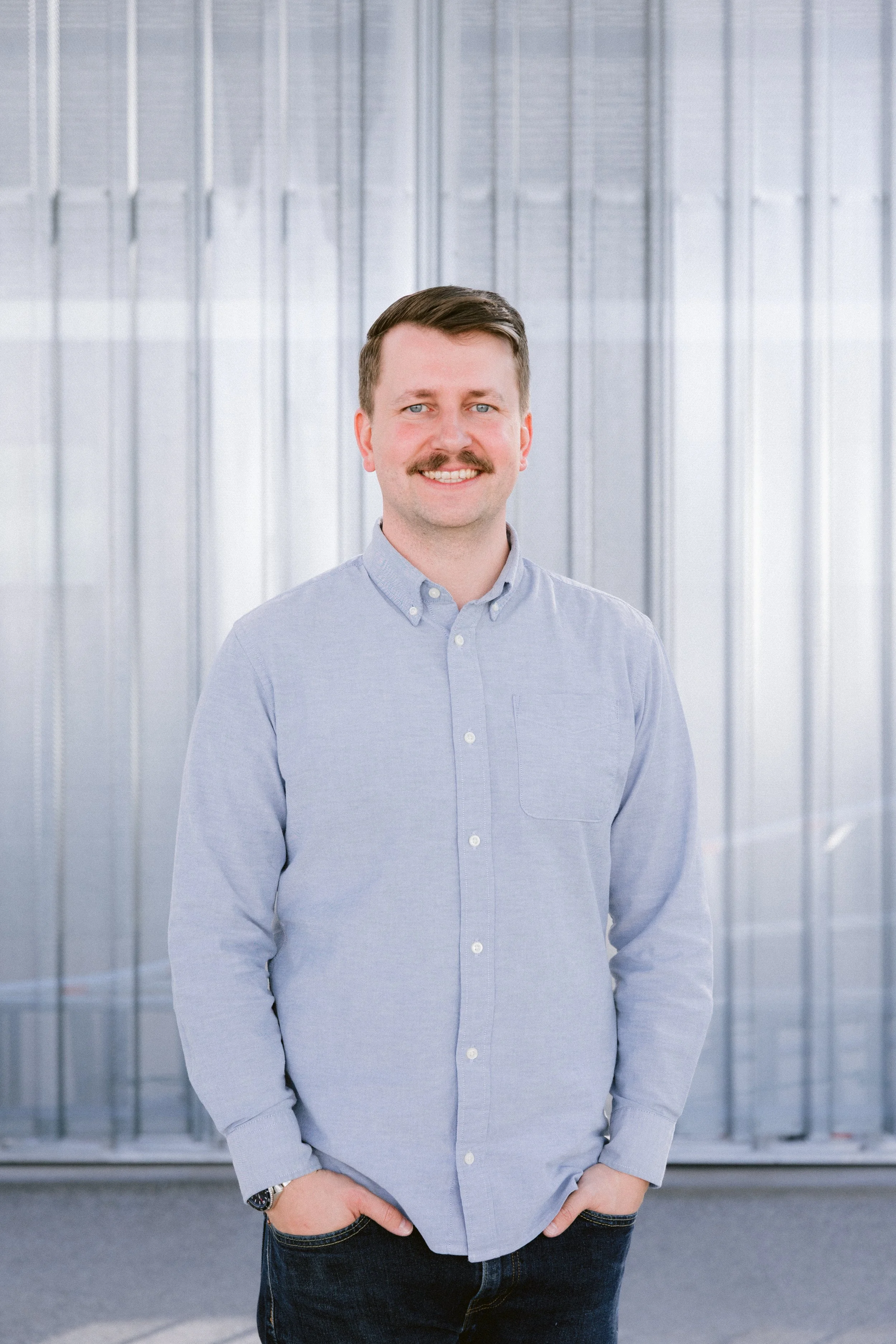
Joe Wiltz
Lay Elder